


At some point during wedding planning, every bride becomes just a little superstitious.
Not full-on "consulting a fortune teller in a candlelit cottage" superstitious.
Just enough to think:
"Maybe I should wear the lucky earrings."
"Maybe I should save that date."
"Maybe I should keep Grandma's handkerchief with me."
And honestly?
You're in good company.
For centuries, brides all over the world have carried lucky charms, followed traditions, and embraced meaningful customs designed to bring love, happiness, prosperity, and blessings into marriage.
Some traditions are beautiful.
Some are fascinating.
A few are delightfully unusual.
And one involves carrying a coin in your shoe.
Let's take a trip around the world.
Why This Moment Matters
Wedding traditions have never really been about luck.
Not entirely.
They're about hope.
A father hoping for his daughter's happiness.
A grandmother passing along a blessing.
A bride carrying a symbol that reminds her she's surrounded by love.
That's why these traditions continue generation after generation.
Because sometimes hope looks like a lucky charm.

1. England: A Sixpence in Her Shoe
Let's start with one of the sweetest.
For generations, British brides followed the wedding rhyme:
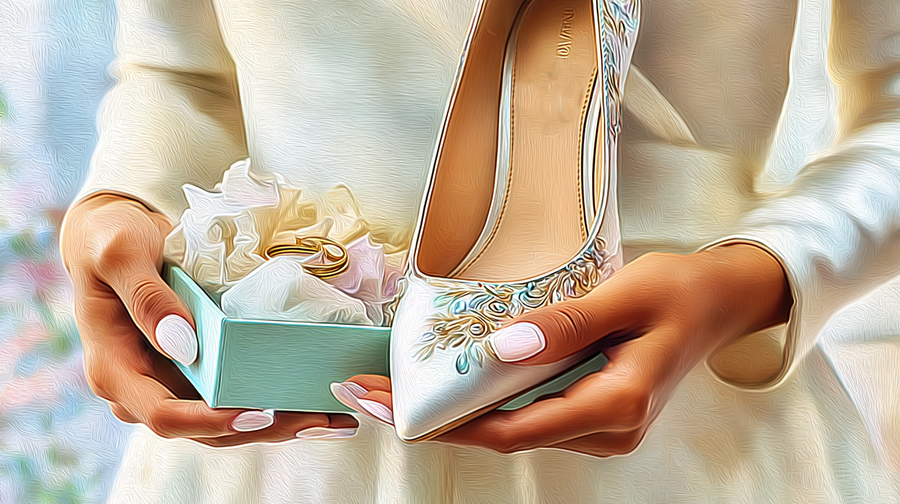
Something old, something new, something borrowed, something blue, and a sixpence in her shoe.
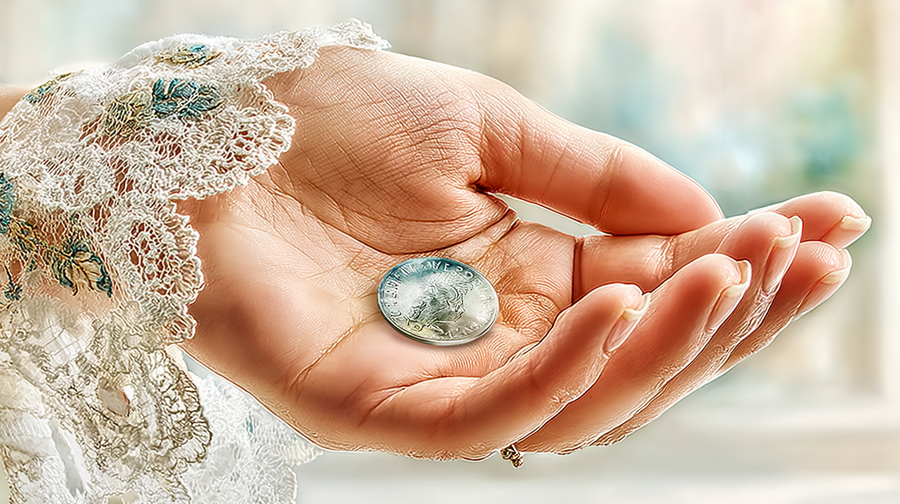
The sixpence symbolized prosperity, happiness, and blessings for the future.
Today many brides choose sixpence coins from meaningful years connected to parents, grandparents, or family milestones.
Tiny coin.
Big story.
2. Ireland: The Lucky Horseshoe
Irish brides have long carried horseshoes as symbols of good fortune.
Traditionally, the horseshoe should face upward so the luck doesn't "spill out."
Honestly, that's the kind of logic I can get behind.
3. Sweden: Coins From Mom and Dad
Swedish brides often place coins in their shoes.
A silver coin from their father.
A gold coin from their mother.
The coins symbolize financial stability and family support.
Which feels surprisingly modern.
4. Greece: Sugar Cubes in Gloves
Historically, some Greek brides tucked sugar cubes into their gloves.
The symbolism?
A sweet marriage.
Simple.
Delicious.
Memorable.
5. Italy: Sugared Almonds
Italian weddings often include sugared almonds called confetti.
They represent health, happiness, fertility, wealth, and longevity.
Five almonds.
Five blessings.
A lot easier than carrying five separate lucky charms.
6. Scotland: Lucky Sixpences
Scottish brides have embraced the sixpence tradition too, often incorporating it into family wedding customs.
Apparently the British Isles collectively agreed that lucky coins were a pretty good idea.

7. China: Red for Good Fortune
Red symbolizes happiness, prosperity, and luck.
While many Western brides wear white, Chinese wedding celebrations often embrace vibrant red details.
And honestly?
The photos are stunning.
8. India: Mehndi Designs
Intricate henna designs are applied before the wedding.
Traditionally, darker henna was said to symbolize deeper love and stronger blessings.
Plus, they're beautiful.
9. Germany: Smashing Dishes
Guests intentionally break dishes before the wedding.
The couple then cleans up together.
The tradition symbolizes teamwork and overcoming challenges as a team.
Also, possibly stress relief.
10. Czech Republic: The Baby Prediction
Before the ceremony, a baby is sometimes placed on the bride's bed.
Tradition says it predicts fertility and future family happiness.
No pressure, tiny baby.
11. Wales: Love Spoons
Hand-carved wooden spoons were historically given as symbols of affection and commitment.
This may be the most charming kitchen utensil in history.
12. Philippines: Doves
Some couples release doves after the ceremony.
The birds symbolize peace, harmony, and a happy future together.
13. Mexico: Lazo Ceremony
A decorative rope or rosary is placed around the couple in a figure-eight shape.
It symbolizes unity and eternity.
Beautiful and meaningful.

14. Norway: Bridal Crowns
Traditional bridal crowns often included tiny dangling pieces that jingled as the bride moved.
The sound was believed to ward off evil spirits.
A wedding accessory and security system.
Efficient.
15. Poland: Bread and Salt
Newlyweds are often greeted with bread and salt.
The bread symbolizes prosperity.
The salt symbolizes resilience during difficult times.
Marriage in one snack.
16. South Africa: Family Fire
Families may bring flames from their homes to create a new shared fire.
The symbolism is powerful:
Two families becoming one.
17. Spain: Wedding Coins
In some Spanish ceremonies, the groom presents coins to the bride.
The coins symbolize support, provision, and shared prosperity.
Clearly, wedding coins have a long history of showing up in meaningful moments.
18. Japan: Sharing Sake
The couple shares ceremonial cups of sake.
The tradition symbolizes unity and the joining of two families.
19. Finland: Bridal Sauna
Traditionally, brides participated in a sauna ritual before the wedding.
Relaxation, reflection, and preparation all in one.
Honestly, more traditions should involve spa days.

20. The United States: Something Old, New, Borrowed, and Blue
One of America's most beloved traditions actually originated elsewhere but became deeply woven into wedding culture.
The rhyme reminds brides to carry symbols of continuity, hope, support, and love.
And yes—the original version includes a sixpence too.
21. Everywhere: Family Stories
This one isn't tied to a country.
It's tied to people.
A grandmother sharing wedding advice.
A father offering a blessing.
A best friend giving encouragement.
A mother-in-law welcoming a bride into the family.
Those traditions exist everywhere.
And they're often the ones we remember most.
Which Wedding Good Luck Tradition Is Right for You?
The answer is simple.
The one that means something to you.
Maybe that's a horseshoe.
Maybe it's a family recipe.
Maybe it's Grandma's handkerchief.
Maybe it's a sixpence chosen from the year your grandparents got married.
Luck isn't really the point.
Meaning is.
Listen While You Read
Sixpence for My Shoe celebrates the blessings, stories, and family traditions that brides carry into one of life's most meaningful days.
Frequently Asked Questions
What is the most popular wedding good luck tradition?
The "something old, something new, something borrowed, something blue" rhyme remains one of the most widely recognized traditions.
Why do brides carry lucky charms?
Traditionally, lucky charms symbolized blessings, prosperity, protection, and happiness in marriage.
Is the wedding sixpence a good luck charm?
Yes. Historically, the wedding sixpence symbolized prosperity, happiness, and good fortune for the couple.
Do modern brides still follow wedding luck traditions?
Absolutely. Many brides enjoy incorporating meaningful customs from their family history or cultural background.
Continue Reading
From lucky horseshoes and wedding coins to family blessings and bridal traditions, couples around the world have long searched for meaningful ways to celebrate love and new beginnings. These articles explore some of the most beloved customs still inspiring brides today.
- Why Brides Put Coins in Their Shoes: The Real Story Behind the Wedding Sixpence Tradition
- What Does a Wedding Sixpence Symbolize? Prosperity, Love, and a Little Bit of Luck
- Wedding Sixpence vs. Lucky Penny: What's the Difference?
- Wedding Traditions Worth Bringing Back: Why Brides Are Rediscovering the Sixpence in Her Shoe
- 31 Weird Things Brides Do and the Surprisingly Interesting Reasons We Started Doing Them
A Closing Reflection
The older I get, the more I think wedding traditions aren't really about luck at all.
They're about love.
They're little reminders that the people who came before us are cheering us on.
A grandmother's blessing.
A father's hope.
A friend's encouragement.
A tiny coin tucked into a shoe.
The objects may be small.
But the meaning they carry can last a lifetime.
And that's exactly why so many brides choose a wedding sixpence.
Sometimes the most meaningful wedding gifts aren't the biggest or the most expensive. They're the ones attached to a story. A Gutsy Goodness Bridal Sixpence has been tucked into brides' shoes for generations as a wish for happiness, prosperity, and lasting love. If you're looking for a gift that feels personal, thoughtful, and a little bit magical, a bridal sixpence might be the tradition worth bringing back.

Lisa Copen is the co-owner of Gutsy Goodness, where she helps brides, parents, grandparents, and gift-givers celebrate life's most meaningful moments through heartfelt keepsakes, wedding traditions, and family stories. She is the author of A Bride's Guide to Wedding Day Memorials and Emotional Survival and creator of Build a Bouquet Charm.
After helping thousands of brides navigate both the joyful and bittersweet sides of wedding planning, Lisa developed a passion for preserving meaningful wedding traditions—including the beloved "something old, something new, something borrowed, something blue, and a sixpence in her shoe" rhyme. Through her articles, keepsakes, and wedding resources, she helps families create moments that become treasured memories for generations.
Get our free Bride's Wedding Memorial and Support Toolkit.




Leave a comment (all fields required)