














There are exactly three kinds of people shopping for a wedding sixpence.
The first group says:
"Any year is fine."
The second group says:
"Do you have 1964?"
And the third group?
The third group sends a message that says:
"My grandparents got married in 1958, my grandma passed away last year, and if you happen to have that year available, I think it would mean a lot."
Those are the messages that get you.
Because suddenly this isn't about a coin anymore.
It's about a story.
And stories are what weddings are made of.
Why This Moment Matters
Every bride is carrying more than flowers down the aisle.
She's carrying people.
Parents.
Grandparents.
Family stories.
Inside jokes.
Lessons learned.
Generations of love.
That's why the most meaningful wedding details are often the ones nobody notices from across the room.
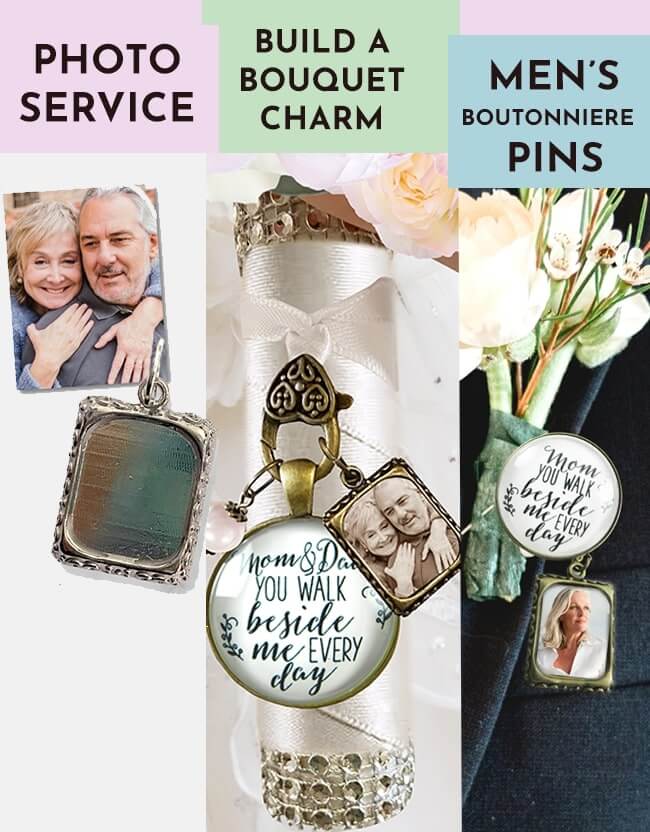
A charm hidden in a bouquet.
A handwritten note in a pocket.
A wedding sixpence chosen for a very specific reason.
The meaning isn't visible.
But it's there.
And the bride knows it.

Why the Year Matters
Authentic British wedding sixpence coins were minted between 1953 and 1967.
That means each year tells a different story.
For some brides, it's simple.
"That's the year Grandma got married."
Done.
For others, it's deeper.
A grandfather's birth year.
A parent's anniversary.
The year a family immigrated to America.
The year two people met who eventually built the family the bride now belongs to.
The date turns a wedding tradition into a personal one.
The Coin Becomes a Conversation
One of the unexpected things about choosing a specific year is that people ask about it.
A lot.
Someone sees the date.
The bride explains why she chose it.
A story gets told.
Another family memory gets preserved.
That's the magic.
Not the coin.
The conversation.
The Year Doesn't Have to Be Perfect
This is important.
Many brides stress themselves out trying to find the "perfect" family year.
There isn't one.
Sometimes Grandma married in 1951.
The sixpence years start in 1953.
That's okay.
Choose Grandpa's birth year.
Choose Mom's wedding year.
Choose the year Dad graduated high school and thought sideburns were a good idea.
Choose the year that makes you smile.
Meaning matters more than perfection.

The Most Common Years Brides Choose
Some of the most popular wedding sixpence years include:
Grandma's Wedding Year
Possibly the most requested story of all.
Mom and Dad's Wedding Year
A beautiful way to honor a marriage that shaped your own understanding of love.
A Grandparent's Birth Year
Especially meaningful when honoring someone who can no longer attend.
The Year the Couple Met
A newer twist that many modern brides love.
The Groom's Family Wedding Year
A thoughtful way to connect two family histories.
Why This Tradition Feels Different
A lot of wedding details are beautiful.
But very few are personal.
A wedding sixpence chosen by year feels personal because nobody else has your story.
Nobody else has your grandparents.
Nobody else has your family memories.
Nobody else has your reasons.
That's what makes it yours.
Listen While You Read
The song Sixpence for My Shoe beautifully captures the idea that a date stamped on a coin can carry an entire family story. From grandmothers to fathers to future mothers-in-law, every year tells a different story.
Frequently Asked Questions
Can I choose a specific year wedding sixpence?
Yes. Many brides select a sixpence from a meaningful year between 1953 and 1967.
What is the most popular sixpence year?
Grandparents' wedding years and parents' wedding years are among the most popular choices.
Why does the year matter?
The year helps connect the wedding tradition to a personal family story.
Does the year have to match a wedding year?
Not at all. Many brides choose birth years, anniversary years, or other meaningful family milestones.
Continue Reading
A meaningful year can transform a simple wedding tradition into a family story. These articles explore the memories, relationships, and blessings that make wedding sixpences so personal.
- Why Brides Are Choosing Specific-Year Wedding Sixpence Coins (And the Stories Behind Them)
- She Never Met Her Great-Grandmother, But She Carried Her Story Down the Aisle
- The Grandmother Gift Every Bride Wishes She Had Asked About Sooner
- A Mother's Wedding Day Blessing: Why I Gave My Daughter a Sixpence
A Closing Reflection
At first glance, it's just a date.
Tiny numbers stamped into an old coin.
But to a bride?
Sometimes those numbers contain an entire family story.
And that's what makes a meaningful tradition worth carrying forward.
Sometimes the most meaningful wedding gifts aren't the biggest or the most expensive. They're the ones attached to a story. A Gutsy Goodness Bridal Sixpence has been tucked into brides' shoes for generations as a wish for happiness, prosperity, and lasting love. If you're looking for a gift that feels personal, thoughtful, and a little bit magical, a bridal sixpence might be the tradition worth bringing back.

Lisa Copen is the co-owner of Gutsy Goodness, where she helps brides, parents, grandparents, and gift-givers celebrate life's most meaningful moments through heartfelt keepsakes, wedding traditions, and family stories. She is the author of A Bride's Guide to Wedding Day Memorials and Emotional Survival and creator of Build a Bouquet Charm.
After helping thousands of brides navigate both the joyful and bittersweet sides of wedding planning, Lisa developed a passion for preserving meaningful wedding traditions—including the beloved "something old, something new, something borrowed, something blue, and a sixpence in her shoe" rhyme. Through her articles, keepsakes, and wedding resources, she helps families create moments that become treasured memories for generations.
Get our free Bride's Wedding Memorial and Support Toolkit.