













 There’s a strange kind of silence that happens before a wedding.
- Before the music starts.
- Before the doors open.
- Before someone inevitably asks where the bobby pins went like it’s a national emergency.
There’s a quiet moment.
- Usually in a hotel room.
- Or a bridal suite.
- Or sitting on the floor in a half-zipped robe surrounded by hairspray, coffee cups, and emotional instability.
And in that moment—
he should be there.
Your dad.
- Saying something embarrassing.
- Pretending he’s not emotional.
- Looking at you like dads do when they realize their little girl somehow became a bride.
And when he’s not?
That absence gets loud.
Sometimes louder than the ceremony.
Louder than the music.
Louder than every “this should be the happiest day of your life” comment from people who clearly have not tried on a wedding dress while grieving.
This is why so many brides write letters to Dad on their wedding day.
Not for the guests.
Not for the wedding album.
Not for Instagram.
For themselves.
Because sometimes grief needs words.
Sometimes love needs somewhere to land.
Sometimes the most important speech is the one only he hears.
Chapter 3 of A Bride’s Guide to Wedding Day Memorials and Emotional Survival reminds brides that grief isn’t something to “fix”—it’s something to feel. Writing can help untangle emotions when joy and sorrow keep trading places.
And honestly?
Sometimes a letter says what your heart has been trying to survive.
Why Writing a Letter to Dad Helps So Much
Because grief is messy.
And wedding planning makes it louder.
You think you’re fine.
Then suddenly you’re crying because the father-daughter dance question came up and your mascara now belongs to the floor.
A letter gives that emotion somewhere to go.
Instead of carrying every thought silently, you get to say it.
The anger.
The sadness.
The gratitude.
The “this is not how I thought this would be.”
Writing helps because it creates:
- emotional release
- private connection
- clarity in overwhelming moments
- a ritual of remembrance
- permission to be honest without needing a polished ending
You do not need closure.
You need honesty.
Very different thing.

What Brides Wish They Could Say
Usually, it starts here:
You were supposed to be here.
That’s the sentence underneath everything.
Under the flowers.
Under the vows.
Under the seating chart-induced personality changes.
You were supposed to be here.
Brides often write things like:
- I wish you could see the dress
- I wish you could meet him as the man I’m marrying, not just the guy you side-eyed at Thanksgiving
- I wish I could have one more drive with you before today
- I wish I could hear what advice you’d give me
- I wish you were walking me down the aisle
- I hope I’m making you proud
- I still need my dad
Sometimes the letter is beautiful.
Sometimes it’s messy.
Sometimes it sounds like poetry.
Sometimes it sounds like:
“Honestly, Dad, this whole thing is emotionally rude.”
All valid.
Grief is not grading your writing.
Example: A Wedding Letter to Dad
Sometimes seeing it helps.
Something like this:
Dad,
Today is my wedding day.
And if I’m being honest, I still can’t believe you’re not here for it.
I keep thinking about all the moments I imagined—the walk down the aisle, the father-daughter dance, your terrible joke right before the ceremony that would somehow calm me down and annoy Mom at the same time.
I miss all of it. I miss you in all of it.
I wish you could see the dress. You’d probably pretend not to care and then cry before anyone else.
I wish you could meet this version of me—the woman I became because of how you loved me.
I hope you’d be proud. I hope somewhere, somehow, you know how much I still carry you.
I am walking down this aisle with your love stitched into every part of me.
So today, when I take that first step, I’ll be taking it with you.
Love always,
Your little girl
And yes.
Now we are all crying.

Private Pre-Wedding Rituals That Make This Even More Meaningful
A letter becomes even more powerful when it becomes part of a ritual.
Not a performance.
A moment.
Some brides:
- read the letter privately before the ceremony
- leave it at Dad’s gravesite the week before
- tuck it into their vow book
- place it inside a keepsake box
- tie it to their bouquet
- keep it folded inside their dress bag
- read it during hair and makeup before everyone arrives
- Sometimes remembrance is not public.
Sometimes it’s just:
I thought of you today.
That counts.
Actually, sometimes that matters most.
When Writing Feels Too Hard
Let’s be honest.
Sometimes sitting down to write feels impossible.
Because the second you start, it becomes real.
And suddenly you’re staring at a blank page like it personally offended you.
That’s normal.
You do not need to write a perfect letter.
You just need a starting sentence.
Try:
- Today feels heavier than I expected…
- I wish you were here for…
- The part I miss most is…
- I didn’t realize how much this would hurt until…
- If I could have one conversation with you today…
Start there.
Messy is fine.
Truth is better than beautiful.

Sometimes Brides Need Help Finding the Words
This is exactly why we created Hannah:A Bride’s Scribe for Letters Never Sent.
Because sometimes your grief is real, but the words feel impossible.
Hannah is a GPT that helps brides turn raw wedding-day grief into letters, poems, and keepsakes that feel true—not cheesy, not overly polished, not like a Hallmark card written by someone who has clearly never cried over boutonnières.
She helps with:
- letters to Dad
- letters to Mom
- wedding day memorial notes
- private keepsake writing
- grief-centered poetry
- words for the things that are hard to say out loud
Inspired by A Bride’s Guide to Wedding Day Memorials and Emotional Survival, Hannah is designed for brides carrying both joy and grief.
Sometimes you do not need advice.
You need a heart-scribe.
What Writing Does for Grief
It does not erase it.
Let’s be clear.
You are probably still going to cry during the florist meeting.
And possibly while discussing chair covers like a woman under emotional attack.
But writing creates space.
It helps grief move instead of just sitting heavy in your chest like an unpaid emotional invoice.
It lets you stop rehearsing pain and start releasing it.
That matters.
Because wedding grief often gets minimized.
People want happy bride energy.
Not complex human feelings.
But both can exist.
Always both.

You Do Not Have to Share the Letter
Important reminder:
This letter does not need an audience.
You do not have to read it aloud.
You do not have to post it.
You do not have to explain it to your future mother-in-law.
This is not content.
This is connection.
It can stay private.
In fact, sometimes it should.
Because some of the holiest moments are the quiet ones.
The ones no one claps for.
The ones that exist only between love and memory.
Final Truth: He Is Still Part of This Day
I know it feels like absence.
But often, love changes shape.
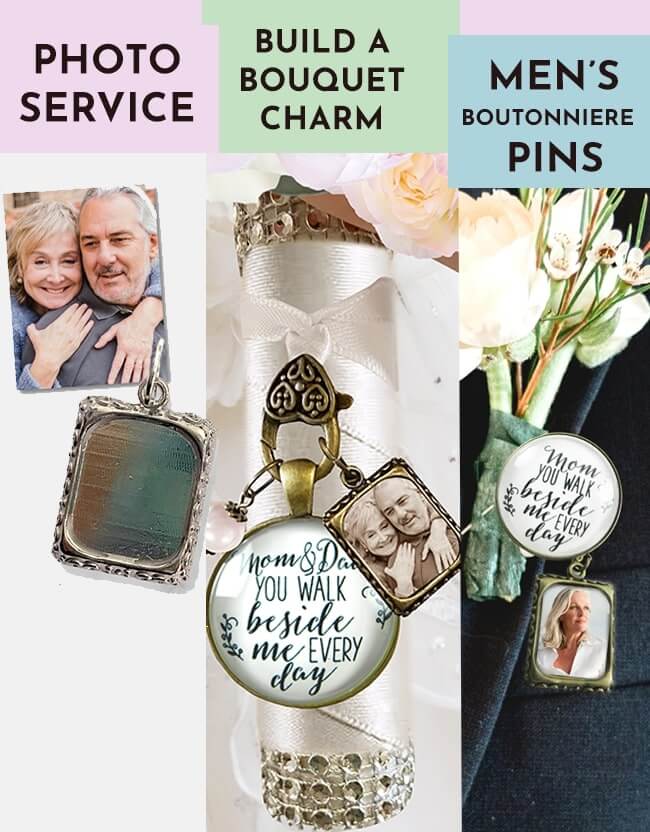
Sometimes it becomes a bouquet charm.
Sometimes a tie wrapped around flowers.
Sometimes a note folded into a vow book.
Sometimes a letter written with shaking hands at 6:14 a.m. on your wedding morning.
He is still part of this day.
Not because you created the perfect tribute.
Because he helped create you.
That love walks with you.
Always.
Sometimes the Most Important Wedding Speech Is the One Only He Hears
Not every meaningful wedding moment happens at the altar.
Sometimes it happens in the quiet.
In the letter.
In the tears.
In the whispered:
I wish you were here.
If you are missing your dad while planning your wedding, give yourself permission to write it.
Messy.
Honest.
Real.
Because sometimes the speech that matters most is not the toast.
It’s the one written straight to him.
And somehow—
he hears it.