













 There are few wedding traditions more emotionally loaded than the father-daughter dance.
Also:
few traditions more capable of causing a full emotional breakdown while casually browsing Spotify.
Because on paper, it sounds sweet.
A beautiful moment.
A sentimental song.
A dance with Dad before the reception chaos and your cousin requests Septemberby Earth Wind and Fire like it’s a constitutional right.
Lovely.
Unless your dad has passed.
Or your relationship was complicated.
Or he was absent.
Or abusive.
Or estranged.
Or walking into that moment feels less like tradition and more like emotional hostage negotiation in formalwear.
And yet—
people ask about it like it’s automatic.
“What song are you doing for your father-daughter dance?”
As casually as if they’re asking about the dinner choices of chicken or salmon.
Meanwhile your internal response is:
Actually, Janet, I was thinking grief and emotional collapse in the key of E minor.
If the thought of the father-daughter dance makes your chest tighten instead of soften, let me say this first:
You are allowed to not want it.
You are allowed to skip it.
You are allowed to choose peace over performance.
Chapter 1 of A Bride’s Guide to Wedding Day Memorials and Emotional Survival reminds brides that traditions are meant to serve the heart—not demand emotional sacrifice for appearances.
Exactly.
Not every tradition deserves access to your peace.
Let’s talk about that.

Why the Father-Daughter Dance Feels So Big
Because it is never just a dance.
It is symbolism.
Protection.
Childhood.
Goodbye.
Blessing.
Love.
The public performance of a relationship people assume was simple.
And often?
It wasn’t.
Sometimes the grief is obvious:
And sometimes it shows up in ways that feel completely unexpected during wedding planning.
Dad died.
Sometimes it is quieter:
Dad is alive, but absent.
Sometimes it is complicated:
You loved him and he hurt you.
Sometimes it is:
You’re standing in the middle of a complicated family tree trying to decide if dancing with your stepdad feels healing or emotionally draining.
This is why brides feel so much pressure.
It is not about choreography.
It is about identity.
And that deserves honesty.

When Tradition Feels Like Emotional Torture
Let’s call it what it is.
Sometimes the father-daughter dance feels like emotional torture with uplighting.
You know it would wreck you.
Not in a meaningful, healing cry way.
In a full-body, mascara-destroying, please-don’t-let-the-DJ-hand-me-a-microphone way.
Maybe the song reminds you too much.
Maybe the absence feels too loud.
Maybe dancing with someone else feels like a replacement you do not want.
Maybe the entire thing feels like forcing yourself through pain for a tradition you never even liked in the first place.
That matters.
Chapter 3 of A Bride’s Guide to Wedding Day Memorials and Emotional Survival talks about emotional thresholds—grief asks different things from different people, and what heals one bride may overwhelm another.
Exactly.
What matters is not tradition.
It is survivability.
Skipping the Dance Does Not Make You Ungrateful
This is where guilt gets loud.
Especially when family says things like:
“But your dad would have wanted that.”
Or:
“You’ll regret not doing it.”
Or my personal favorite:
“It’s such an important moment.”
Yes.
That is literally the problem.
Listen carefully:
Skipping the dance is not disrespect.
It is discernment.
You are not dishonoring your father by protecting your nervous system.
You are not failing tradition by refusing to emotionally self-destruct in front of 150 people and a dessert bar.
You are allowed to say:
This does not feel healing for me.
That is enough.

What If People Expect You To Do It?
They will.
Because weddings make everyone weird.
Your aunt will have opinions.
Your future mother-in-law will “just be curious.”
Someone will absolutely suggest your uncle as a backup plan like we are casting a Broadway understudy.
Take a breath.
You do not owe anyone a grief performance.
Try saying:
“We’re choosing something that feels more meaningful for us.”
Or:
“I decided I want to honor Dad differently.”
Or:
“The traditional dance doesn’t feel right for me, and I’m at peace with that.”
Short.
Clear.
No emotional dissertation required.
Boundaries are sexy.
Highly recommend.
Meaningful Alternatives That Actually Feel Right
Skipping does not have to mean empty.
Sometimes it means choosing something truer.
Options brides love:
- a private moment with Dad’s favorite song before the ceremony
-
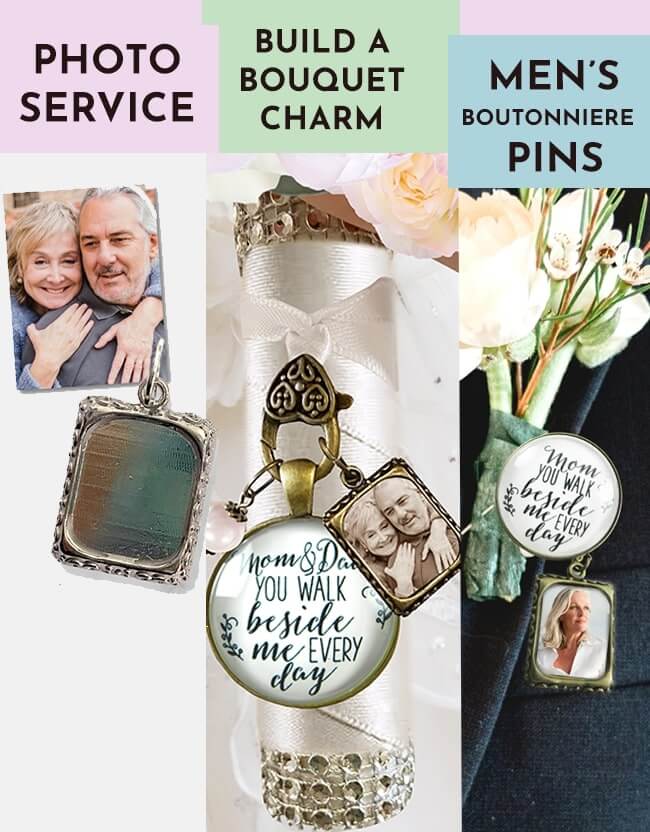
a memorial bouquet charm during the aisle walk
- wrapping your bouquet with his tie
-
a reserved chair without public announcement
- a letter written to Dad the night before
- a quiet toast during rehearsal dinner
- wearing his watch, cufflinks, or handkerchief
- a signature drink named after him
- a favorite dessert he loved
- visiting his gravesite before the wedding
Sometimes remembrance works better when it whispers.
Not when it slow dances under spotlights.
Mother-Daughter Dance Alternatives
Let’s talk about one of my favorites.
The mother-daughter dance.
Because sometimes the person who held you through all of this is Mom.
And honoring that relationship can feel deeply right.
It can be joyful.
Tender.
Healing.
Also occasionally chaotic if your mother insists on choreography and now we all have a situation.
Other beautiful alternatives:
- a sibling dance
- inviting multiple family members in halfway through
- dancing with a grandparent
- a family dance that removes the spotlight
- dancing with your partner instead
Tradition is not sacred because it is old.
It is sacred when it reflects love.

Private Tribute Can Be More Powerful Than Public Performance
This is the part I wish more brides understood.
A private tribute is not “less meaningful.”
Sometimes it is more.
Because it belongs to you.
Not the audience.
A quiet moment holding your bouquet before walking down the aisle.
A whispered:
Walk with me today.
A note folded into your vow book.
A song played alone while getting ready.
Those moments do not need applause to be sacred.
Chapter 1 of Lisa's book calls this private remembrance—the idea that grief does not need a stage to be real.
Exactly.
Love does not require choreography.
You Are Allowed to Redefine the Day
This is your wedding.
Not a historical reenactment of everyone else’s expectations.
You are allowed to ask:
Does this tradition bring peace…
or pressure?
Does it feel like love…
or obligation?
Am I choosing this because I want it…
or because I’m afraid people will notice if I don’t?
These questions matter.
Because sometimes the bravest choice is not doing the expected thing.
It is doing the honest thing.
Final Truth: Protecting Your Heart Is Not Ruining Your Wedding
You are not ruining your wedding by skipping the father-daughter dance.
You are not selfish.
You are not cold.
You are not failing your dad.
You are choosing emotional truth.
Sometimes love looks like a dance.
Sometimes it looks like saying:
I cannot do that, and I’m allowed not to.
That counts.
Actually, sometimes that matters most.

Protecting Your Heart Is Not Ruining Your Wedding
If the father-daughter dance feels painful instead of meaningful, hear this:
You do not have to force it.
You do not have to perform grief for tradition.
You do not have to create a moment that breaks you just because Pinterest said it was beautiful.
Choose what feels peaceful.
Choose what feels survivable.
Choose what feels like love—not obligation.
Because not every tradition deserves access to your heart.
And protecting your peace?
That is not ruining your wedding.
That is wisdom.

Lisa Copen is the co-owner of Gutsy Goodness and creator of Build a Bouquet Charm, where she helps brides make the bittersweet a little easier when their dad is no longer there to share in their wedding day. Through her book, A Bride’s Guide to Wedding Day Memorials and Emotional Survival , wedding resources, and deeply personal designs, she offers ways to honor a father’s memory while still embracing joy, love, and the meaning of the moment. Get our free Bride's Wedding Memorial and Support Toolkit.